


What Is Wood Carving Art and Why It’s Still So Popular?
Handmade objects have always carried great value and appreciation, and the same is true for wood carving art. Its history stretches across centuries and continues to inspire today, showcasing incredible patterns and diverse types of wood art. Contemporary artists such as John Makepeace (UK), renowned as a furniture designer who blends modern aesthetics with traditional craftsmanship, highlight how the craft remains vibrant. Let’s take a closer look at its history and explore how it has evolved.
Short history of wood carving art
Wood carving is one of humanity’s oldest art forms. At the start, people shaped wood with sharp stones, creating simple objects that later grew into different types of wood carving. Because wood is fragile, the best-preserved ancient examples are the 4,000-year-old relief panels found in Egypt’s dry tombs. Early carvings were mostly basic, serving practical purposes like making tools or religious figures.
Over time, the craft developed into decorative art. By the 15th century in Europe, Guilds controlled the practice. In China, themes shifted toward daily life and fairy tales, giving rise to unique regional traditions such as Dongyang carving and gold-painted camphor pieces.
In the United States, carving became popular through whittling between 1865 and 1965.
Today, the craft blends old traditions with new approaches. Artists use traditional knives alongside power tools and pyrography, showing how methods of carving have expanded.
Exhibits and associations worldwide keep the practice alive, celebrating everything from ancient utility to the creativity of modern wood carving styles. One famous example is the museum in Saint-Jean-Port-Joli, Quebec, which honors this long and evolving history.
Where we see wood carving today (decor, furniture, sculpture, hobby)
Wood carving art is still part of everyday life, though today it is more about creativity than survival. In home decor, carved panels, wall hangings, and frames bring warmth and personality to a space. These pieces are some of the most admired types of wood art.
Furniture is another area where carving really shines. From traditional ornate chairs to sleek contemporary designs, carved details turn ordinary items into statement pieces. Many luxury brands showcase craftsmanship by blending classic handwork with modern wood carving styles.

In sculpture, artists continue to experiment with different types of carving, using versatile wood carving tools.
Carving also thrives as a hobby. People around the world enjoy whittling or chip carving, often starting with a simple project like spoon carving or small figurines before moving on to more advanced designs. Online communities and carving groups like the Woodcarving Illustrated or the Sawmill Creek Woodcarvers Forum keep the tradition alive, offering tips, encouragement, and inspiration across all types of carving.
Benefits of wood carving as a creative hobby
Wood carving is incredibly engaging. It takes focus through the planning, designing, and making stages, and many wood carvers find it works almost like occupational therapy.
Beyond the creative side, wood carving art builds a connection to the natural world. Working with the grain encourages a deeper appreciation for the environment. The steady rhythm of a chisel moving through wood adds to the meditative feel, and makes the process as enjoyable as the finished piece.
Furniture makers and artists often explore different wood carving styles, ranging from sleek contemporary looks to sophisticated details. Many still draw inspiration from traditional wood carving styles, which highlight cultural heritage.
There are countless types of carving in wood, each with its own appeal. Some focus on sculpture, others on decorative panels, and many hobbyists enjoy smaller projects. For newcomers, beginner wood carving projects like wooden bowls or small figurines are a great way to build skill.
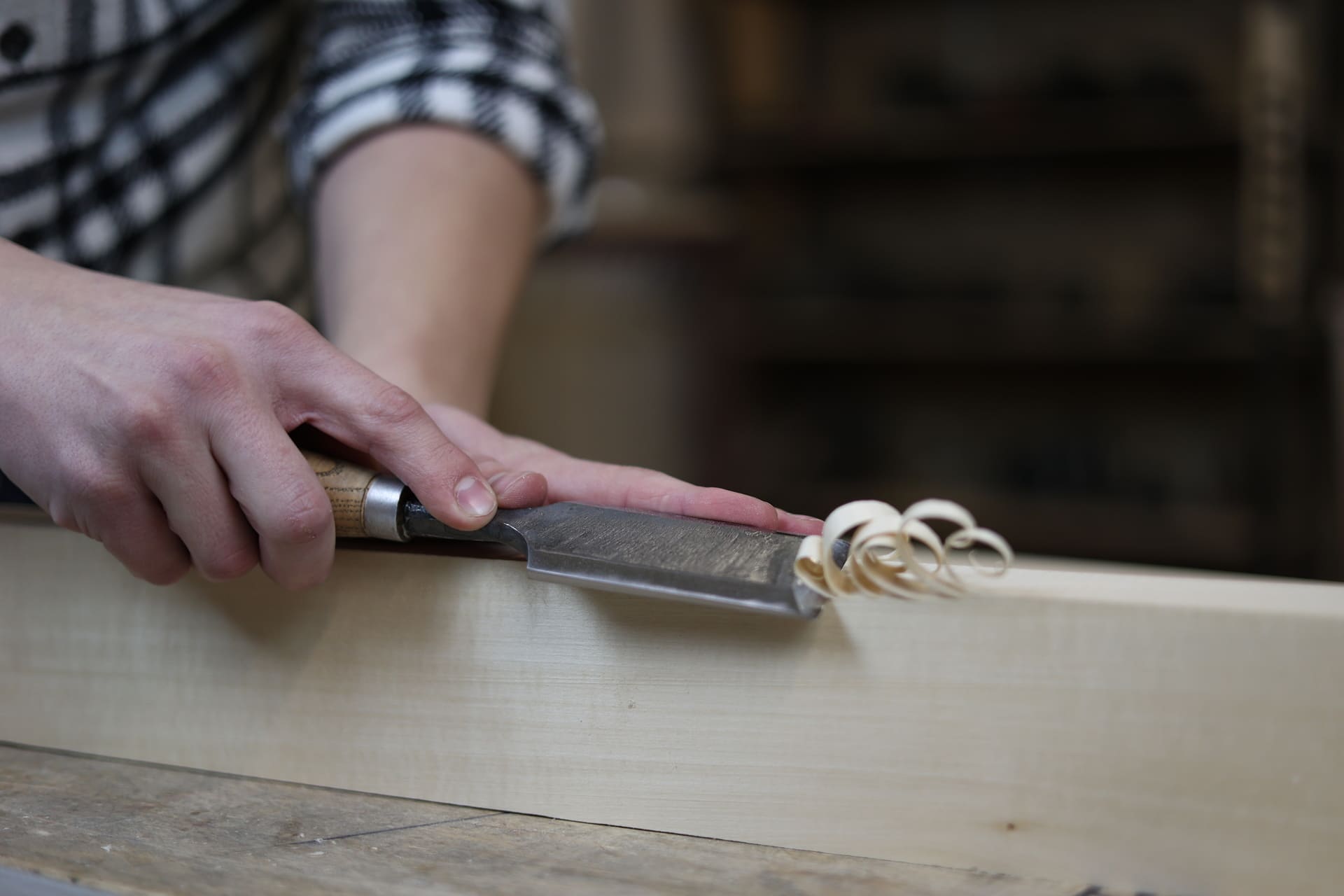
Carvers experiment with various methods of carving, using knives, chisels, or even power tools depending on the design. With the right wood carving tools and sets, it is possible to create beautiful work without needing a full workshop, which makes the craft accessible to anyone willing to practice.
Main Types of Wood Carving Explained (Types of Wood Carving)
When people talk about the many types of wood carving, they are usually referring to the wide range of approaches artists and hobbyists use to shape wood into something meaningful. Each style has its own charm, and exploring the different types of carving is what makes the craft so versatile.
Relief carving – pictures that rise from a flat board
Relief carving is one of the most familiar styles. In relief wood carving, the artist sculpts figures or designs into a flat panel. The background stays attached, but the raised shapes create a three‑dimensional effect. Carvers use chisels and gouges to apply these techniques and produce wall plaques, ornate doors, or decorative box lids.
Chip carving – patterns made from small geometric cuts
Chip carving is another precise style. Carvers cut small geometric shapes to form detailed chip carving patterns. The results show perfect symmetry. Plates, clocks, and boxes are among the most common projects.

Whittling – carving with a simple knife anywhere, anytime
Some people prefer simplicity. Whittling with a knife is the easiest way to begin. With just a simple carving knife, a carver can turn a twig or block of basswood into comfort birds, chains, or toys.
Caricature and figure carving – expressive characters and figurines
Caricature wood carving exaggerates features to add humor and personality, while figure wood carving aims for lifelike characters. Both require detailed knives and small gouges to capture facial lines and clothing.
Sculptural carving in the round – 3D wood carving art
Sculptural work, known as carving in the round, creates fully three‑dimensional pieces. Artists often combine traditional wood carving techniques with modern tools like a Dremel or rotary tool to sand and texture the surface of the sculpture. This technique can be used for high-end art pieces like realistic wildlife sculptures (eagles or bears), or abstract flowing ribbons of wood.
Decorative architectural carving – frames, columns, panels
Architectural carving highlights craftsmanship on a larger scale. Using different methods of carving, artisans decorate mantels, columns, and door frames, blending fine art with functional design. The tools range from heavy-duty timber framing chisels to delicate carving sets used for refining finials and moldings.
Wood Carving Styles Around the World
Wood carving art has always been more than just a craft. While the types of wood carving explain how the work is done, carving styles show the bigger picture of cultural influence and artistic tradition.
Traditional folk styles (Scandinavian, Slavic, Celtic, etc.)
Folk traditions highlight identity through distinctive designs. Scandinavian carving is known for flat‑plane whittling and dragon motifs on stave churches. Slavic traditions, such as the Ukrainian Hutsul style, often use high‑relief geometric patterns and incrustation with beads, wire, or bone. Celtic styles feature endless knots and spirals that symbolize eternity, while Native American work, especially in the Pacific Northwest, stands out with bold totem poles and masks that tell tribal stories. These examples show how diverse types of wood art can be.
Asian and African wood carving styles
Japanese craftsmanship, like Kibori, emphasizes precision and the Shinto respect for the spirit within the grain. African carving, on the other hand, favors expressive abstraction, stylized figures, and ceremonial masks. Both highlight unique carving methods that balance function and symbolism.
Modern minimalist and abstract wood carving art
Contemporary artists often strip away intricate details to focus on form and texture. Smooth curves and flowing shapes define this style. There is always a debate of hand wood carving vs power carving: some prefer the organic feel of chisels, while others rely on modern tools for speed and precision.

How styles mix in contemporary types of wood art
Today’s carvers quite often mix traditions. Celtic knotwork might appear alongside abstract shapes, or Japanese joinery may be used in minimalist furniture.
By blending approaches, artists experiment with contrasting textures and create fresh interpretations of classic wood carving designs.
How to Choose Your First Wood Carving Style
The world of wood carving is incredibly versatile, and getting started can be both exciting and rewarding. If you are wondering how to start wood carving as a beginner, it helps to think about what will make the process enjoyable and manageable right from the start.
Questions to ask yourself: time, budget, space, patience
Before diving into different carving methods, ask yourself some practical questions. How much time can you dedicate? Do you want to keep it casual or eventually take on larger projects? Space also matters: do you have room at home or outdoors to carve comfortably? And yes, patience is key. Progress comes slowly, so focus on steady practice and seek advice in wood carving communities.
Matching types of carving to your personality (detail vs big shapes)
Think about the level of detail you enjoy. If you like precision, you might explore basic wood carving techniques such as chip carving. If you prefer bold shapes, abstract forms may suit you better.
Simple test projects to “try” different wood carving styles
Practice is essential. Many carvers recommend starting with carving methods for beginners like whittling small figurines or trying spoon carving. Using precut blocks of wood is a great way to experiment before moving on to complex designs.
How to avoid overwhelm when starting with wood carving
Choose the best wood for carving (basswood, lime, etc.), since softer woods are easier to shape and more forgiving. Set small goals, like carving once a week or completing mini projects in a few days. Keep a box of scrap wood for quick practice sessions, and draw inspiration from other carvers’ work to stay motivated.
Share:
Bird Carving Projects to Try This Winter
Wood Carving for Kids